The Importance of Glass Partitions in Modern Offices
As the workplace evolves in response to changing societal needs, the significance of efficient space management has never been more crucial. Among the contemporary solutions rapidly gaining traction is the integration of Glass partitions. These installations not only enhance aesthetic appeal but also promote a more functional work environment, offering a perfect blend of transparency and practicality. In this article, we will explore the various facets of glass partitions, their benefits, applications, design trends, challenges, installation, maintenance, and their future outlook in modern office designs.
What are Glass Partitions?
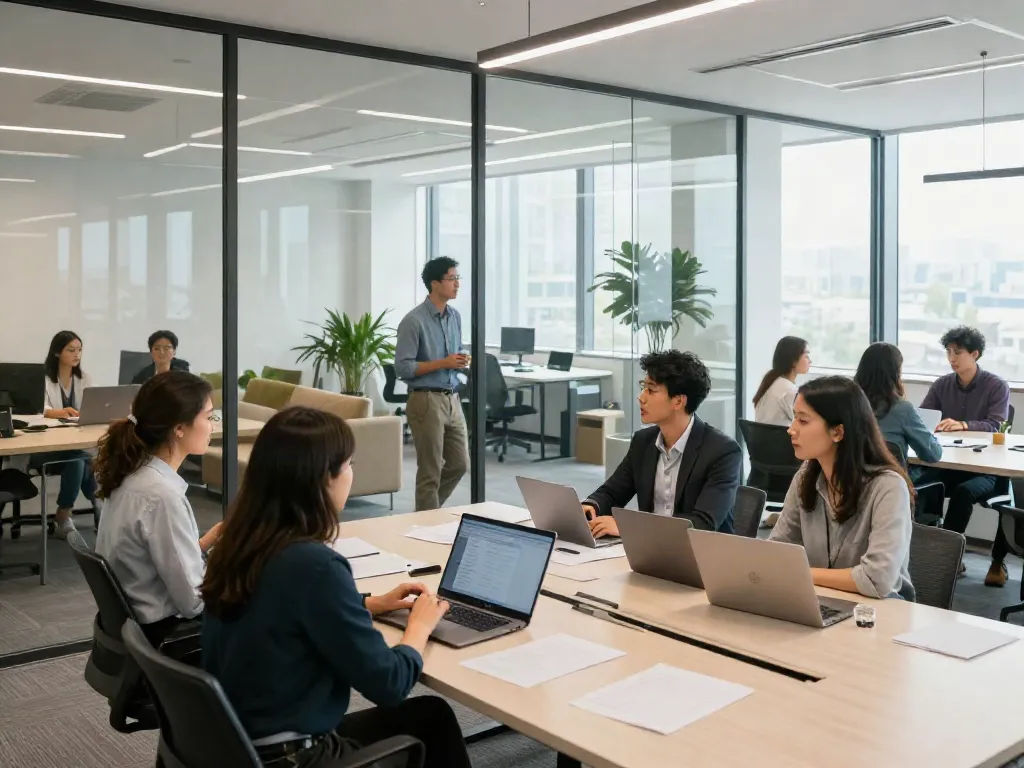
Glass partitions are interior dividers made primarily from glass, which are utilized to separate spaces while maintaining visibility and light flow. Unlike traditional walls that are typically made from solid materials and obscure the view, glass partitions allow for an open atmosphere, facilitating collaboration among team members. They can be framed or frameless and come in various styles and thicknesses, catering to different needs and preferences. Commonly found in offices, these partitions are increasingly being adopted in residential spaces as well.
Key Benefits of Using Glass Partitions
- Enhanced Aesthetics: Glass partitions modernize office spaces, creating a sleek and sophisticated look that reflects a forward-thinking business.
- Natural Light: By allowing light to penetrate through the entire area, glass partitions help to brighten dark corners and reduce the need for artificial lighting.
- Flexible Space Management: They offer the ability to create or modify spaces easily, making them ideal for businesses that require adaptability in their layouts.
- Sound Insulation: Contrary to popular belief, glass partitions can provide adequate sound insulation when designed appropriately, promoting privacy and reducing noise pollution.
- Improved Collaboration: An open layout encourages teamwork and communication, boosting productivity and creativity among employees.
Common Uses in Different Settings
Glass partitions are versatile and can be utilized in various settings, including:
- Offices: To create meeting rooms, private offices, or collaborative spaces without sacrificing openness.
- Retail Spaces: To separate different product areas while maintaining a seamless flow.
- Residential Homes: To define living spaces, such as between the kitchen and dining areas, while still keeping the area feeling spacious.
Design Trends for Glass Partitions in 2026
As we look towards 2026, glass partitions are likely to evolve further, showcasing new design trends that cater to modern needs and aesthetics. Here are some notable trends to watch for:
Innovative Styles and Customizations
Expect innovative styles such as curved glass partitions and decorative etchings that enhance visual appeal. Customization will become increasingly crucial, allowing businesses to incorporate branding elements within the partition designs.
Sustainability in Glass Partition Design
With a growing emphasis on environmental responsibility, many manufacturers are innovating sustainable glass options, including recycled materials and reduced carbon footprints in the production process.
Integrating Technology with Glass Partitions
The incorporation of smart technologies will redefine glass partitions, with features like integrated LED displays for communication and adjustable opacity for privacy at the touch of a button.
Challenges with Glass Partitions
Despite the benefits, there are challenges associated with glass partitions that businesses must consider:
Common Misconceptions and Myths
One prevalent myth is that glass partitions compromise security; however, high-quality tempered and laminated glasses offer substantial protection. Additionally, perceptions of fragility often deter businesses from adopting this efficient solution.
Overcoming Privacy Concerns
While glass partitions foster openness, privacy concerns can arise. The use of frosted glass or integrated blinds can effectively address these issues, providing visual privacy without sacrificing light.
Cost Factors and Budgeting
The initial investment for glass partitions can be higher than traditional walls; however, their long-term benefits, including energy savings and flexibility, often justify the costs.
Installation and Maintenance of Glass Partitions
For optimal performance and longevity, proper installation and maintenance of glass partitions are essential:
Steps for Professional Installation
- Site Assessment: Evaluate the space and determine the best layout for the partitions.
- Measurement: Accurate measurements ensure a perfect fit.
- Customization: Design and customize according to the business needs.
- Installation: Utilize skilled professionals to ensure a secure and precise installation.
Maintenance Best Practices
- Regular Cleaning: Keep glass surfaces clean to maintain transparency and aesthetic appeal.
- Inspect for Damage: Regularly check for cracks or chips that could compromise the integrity of the glass.
- Adjust Hardware: Ensure that all sliding mechanisms and hinges are functioning properly.
Long-term Durability Considerations
The lifespan of glass partitions can vary depending on various factors including quality of glass, usage, and maintenance. High-quality materials that undergo rigorous tests tend to offer greater durability and longevity.
Future Outlook on Glass Partitions
As the nature of work evolves, so too will the demand for versatile and effective space solutions:
Predicted Trends for Commercial Spaces
The demand for glass partitions is expected to grow significantly, especially in urban environments where space optimization is key. Innovative designs that prioritize wellness will become more prominent.
Impact of Remote Working on Office Design
As remote working becomes a staple in many industries, the design of office spaces will be reimagined to accommodate flexible work patterns, making glass partitions ideal for creating zones in hybrid environments.
Expert Opinions on Evolving Needs
Industry experts suggest that businesses will continue to seek customizable solutions that allow for easy reconfiguration of spaces to adapt to changing workforce dynamics and needs.
What are the costs associated with glass partitions?
The costs vary based on factors like size, customization, and installation complexity. Typically, prices can range from $50 to $150 per square foot, including materials and labor.
How does a glass partition improve workspace acoustics?
While glass is not inherently soundproof, using specialized acoustic glass can significantly enhance sound insulation, making these partitions suitable for environments where noise reduction is critical.
What is the lifespan of glass partitions?
With proper care and maintenance, high-quality glass partitions can last upwards of 10-15 years, making them a long-lasting investment for any workspace.
Are glass partitions eco-friendly?
Many modern glass partitions are made with recycled materials and can be recycled themselves, contributing to sustainable building practices.
What customization options are available for glass partitions?
Customization options include various glass types (clear, frosted, tinted), framing materials, finishes, and hardware, allowing businesses to tailor the partitions to their specific aesthetic and functional needs.